The Best Hammer Horror Films to Start With: A Beginner’s Guide
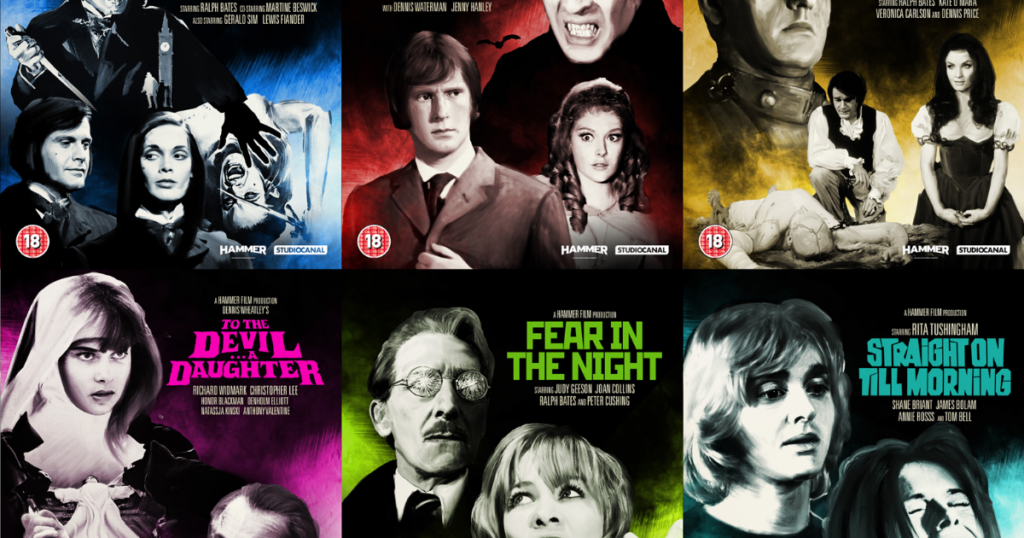
If you are curious about classic horror but want something more vivid, fast-moving, and visually lush than the earliest Universal monster movies, Hammer Horror is one of the best places to begin. Hammer films helped redefine horror in the 1950s and 1960s with rich colour, Gothic atmosphere, stronger violence, and magnetic performances from stars like Christopher Lee and Peter Cushing.
For beginners, Hammer is especially rewarding because the studio’s films often feel more immediately accessible than older black-and-white horror. They are dramatic, stylish, and easy to fall into. This guide explains what Hammer Horror is, why it matters, and which films make the best starting points.
What is Hammer Horror?
Hammer Horror refers to the Gothic horror films produced by Hammer Film Productions, a British studio that became one of the most influential names in horror cinema. While Hammer made many kinds of films, it is best remembered for reinventing classic monsters – Dracula, Frankenstein, the Mummy – for a postwar audience.
Where earlier American horror often leaned on shadows and suggestion, Hammer embraced:
- bold colour cinematography
- Gothic settings like castles, crypts, and fog-heavy villages
- more explicit blood and violence
- stronger undertones of sexuality and repression
- energetic performances with a theatrical edge
That combination gave Hammer a distinctive identity. These films are elegant and melodramatic, but they also feel more dangerous and sensual than many earlier horror classics.
Why Hammer Horror is Great for Beginners
Hammer is a strong entry point because it sits comfortably between old-school classic horror and more modern horror storytelling. The films still have period settings and Gothic style, but many of them move at a pace that feels familiar to contemporary viewers.
They are also ideal for beginners because the main pleasures are immediate:
- great villains and monster designs
- striking production design
- clear, engaging plots
- iconic actors with strong screen presence
- a consistent mood across many films
If Universal horror feels foundational and silent horror feels historical, Hammer often feels like the moment classic horror became more vivid, physical, and emotionally charged.
What Are The Best Hammer Horror Movies to Start With?
These are the films most likely to give a newcomer a strong first impression while also introducing the studio’s most important styles and recurring stars.
1. Horror of Dracula (1958)
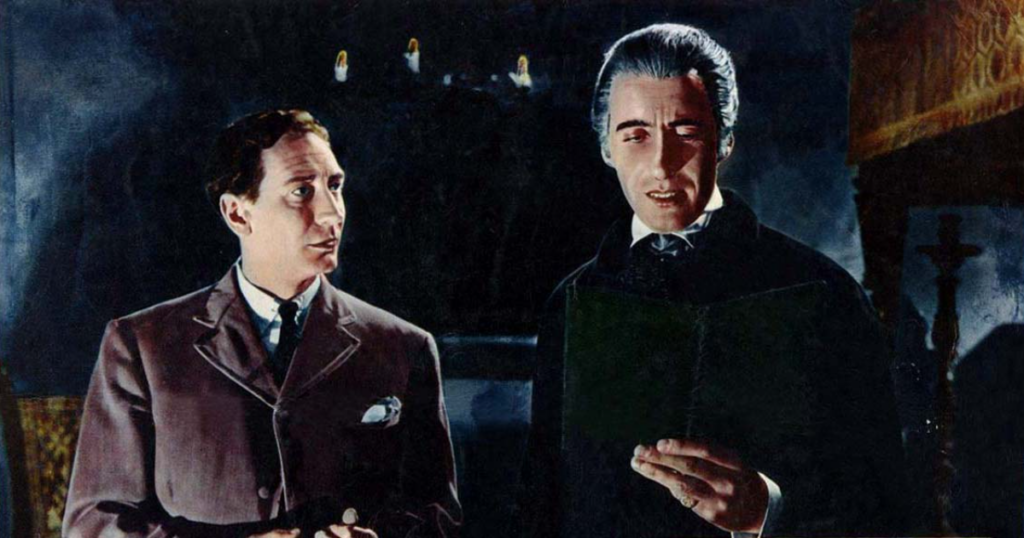
If you watch only one Hammer film as a beginner, start here. Horror of Dracula is probably the clearest expression of what made Hammer famous: rich colour, Gothic energy, Christopher Lee’s commanding Dracula, and Peter Cushing’s forceful, intelligent Van Helsing.
Compared with the 1931 Dracula, this version moves faster and feels more physical. Lee’s Count Dracula is less hypnotic gentleman and more predatory force. Cushing, meanwhile, gives Van Helsing urgency and backbone.
Why start here? It is accessible, iconic, and one of the best introductions to Hammer’s style.
2. The Curse of Frankenstein (1957)
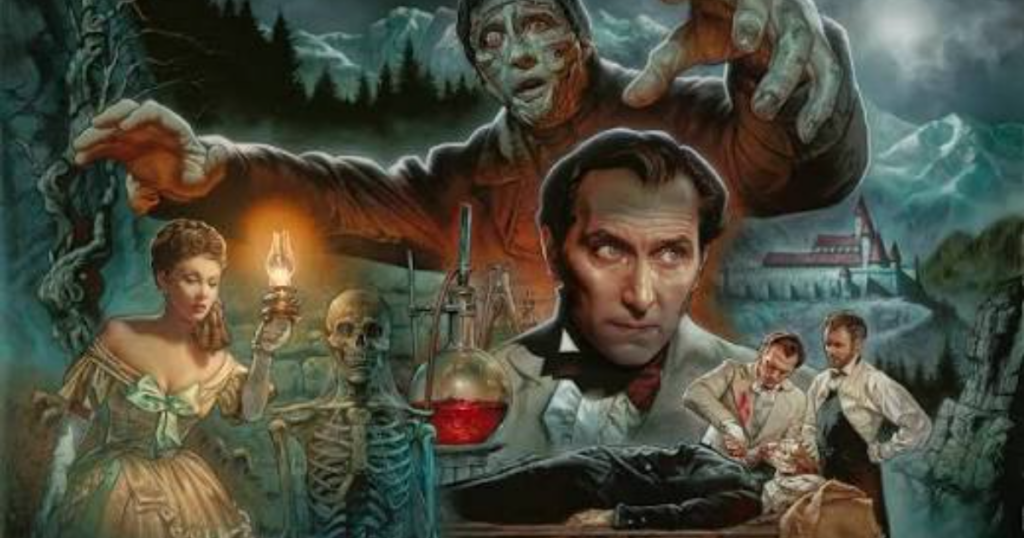
This was the film that helped establish Hammer as a major horror force. Instead of treating Frankenstein as a tragic visionary, the film presents Baron Frankenstein as cold, obsessive, and morally corrupt. Peter Cushing’s performance is sharp, intelligent, and unsettling.
The movie also marks a major tonal shift from earlier Frankenstein films. It is brighter, crueler, and more confrontational than the 1930s Universal version.
Why start here? It shows how Hammer reinvented familiar material rather than merely copying it.
3. The Mummy (1959)
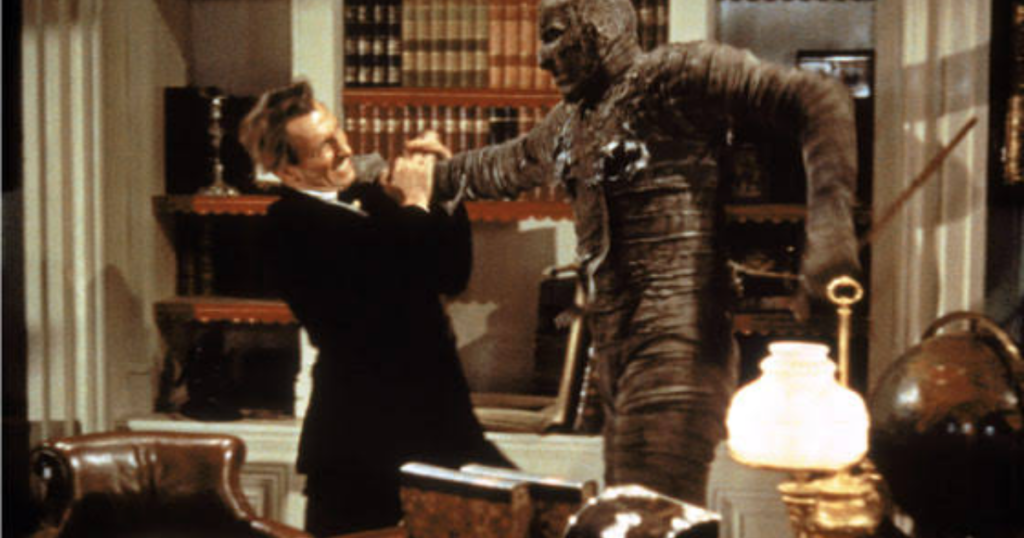
Hammer’s The Mummy is a perfect beginner pick for viewers who love atmosphere. With Christopher Lee as the resurrected Kharis and Peter Cushing in the heroic role, the film leans into grief, revenge, ancient curses, and decaying grandeur.
It is slower and moodier than Horror of Dracula, but that is part of its appeal. The film showcases Hammer’s talent for combining emotional backstory with Gothic spectacle.
Why start here: It is one of Hammer’s most elegant monster films and a great example of the studio’s visual richness.
4. The Brides of Dracula (1960)
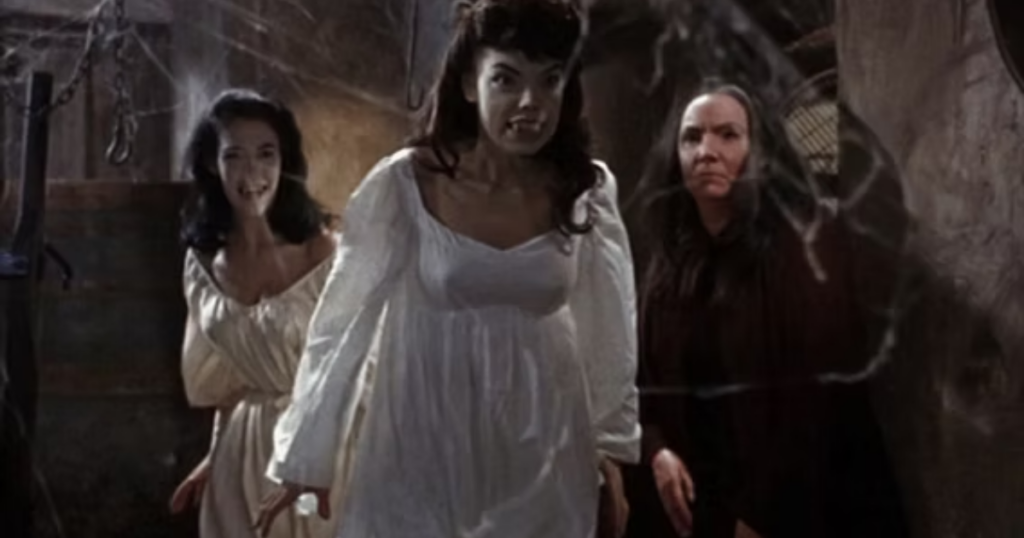
Despite the title, Dracula himself is not the central villain here, but the film remains one of Hammer’s finest vampire stories. Peter Cushing returns as Van Helsing, bringing intelligence and intensity to a more elaborate, more dreamlike vampire narrative.
This film is often a favorite among longtime Hammer fans because it expands the studio’s Gothic world beyond simply repeating the first Dracula film. It is colorful, atmospheric, and full of memorable set pieces.
Why start here? It deepens the Hammer vampire formula while staying beginner-friendly.
5. The Devil Rides Out (1968)
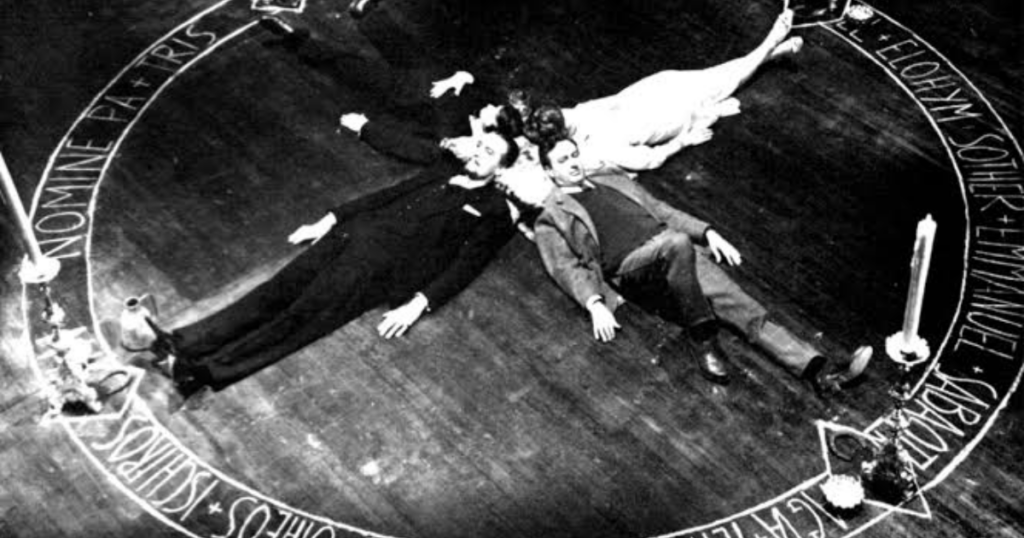
Hammer is often associated mainly with classic monsters, but The Devil Rides Out shows another side of the studio: occult horror. Based on the novel by Dennis Wheatley, it follows a battle against satanic influence, black magic, and ritual terror.
Christopher Lee plays the heroic Duc de Richleau rather than the villain, and he is excellent. The film has a more modern-feeling occult premise while still retaining Hammer’s theatrical style.
Why start here? It broadens your idea of Hammer Horror beyond Dracula and Frankenstein.
6. Dracula: Prince of Darkness (1966)
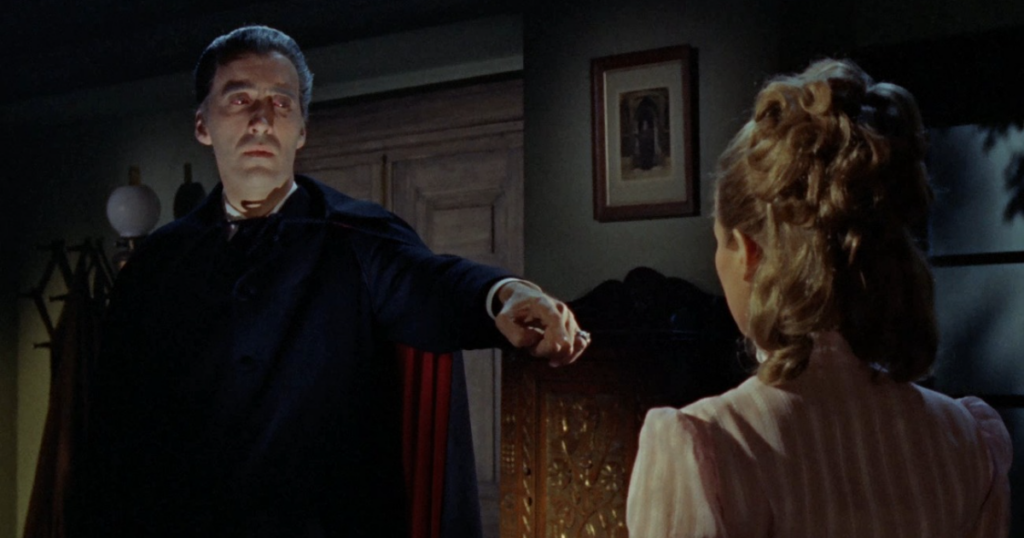
This sequel brings Christopher Lee back to his signature role and leans harder into mood, silence, and menace. Lee’s Dracula says little, but his presence dominates the film.
For beginners, this is a strong next step after Horror of Dracula. It shows how Hammer evolved its vampire cycle, making Dracula more primal and inhuman.
Why start here: It is one of the most atmospheric entries in the Hammer Dracula series.
7. The Plague of the Zombies (1966)
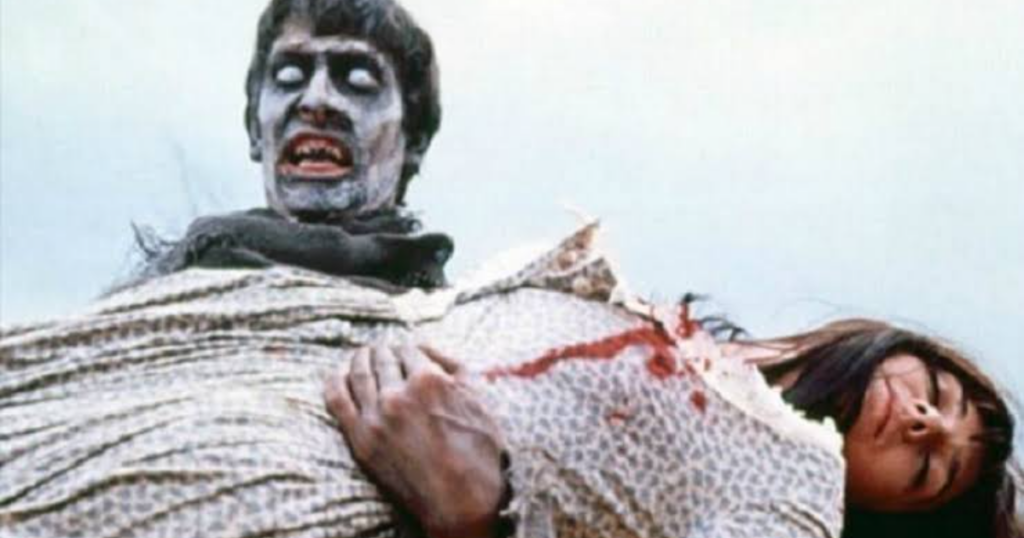
One of Hammer’s most underrated films, The Plague of the Zombies mixes folk-horror atmosphere with zombie imagery long before the modern zombie boom. Set in a rural Cornish village, it creates dread through secrecy, decay, and a creeping sense of corruption.
This is a particularly good choice for beginners who want something less famous but still highly approachable. It also proves how well Hammer could work outside its best-known monster franchises.
Why start here? It is eerie, distinctive, and a great gateway into Hammer’s lesser-discussed titles.
8. The Reptile (1966)
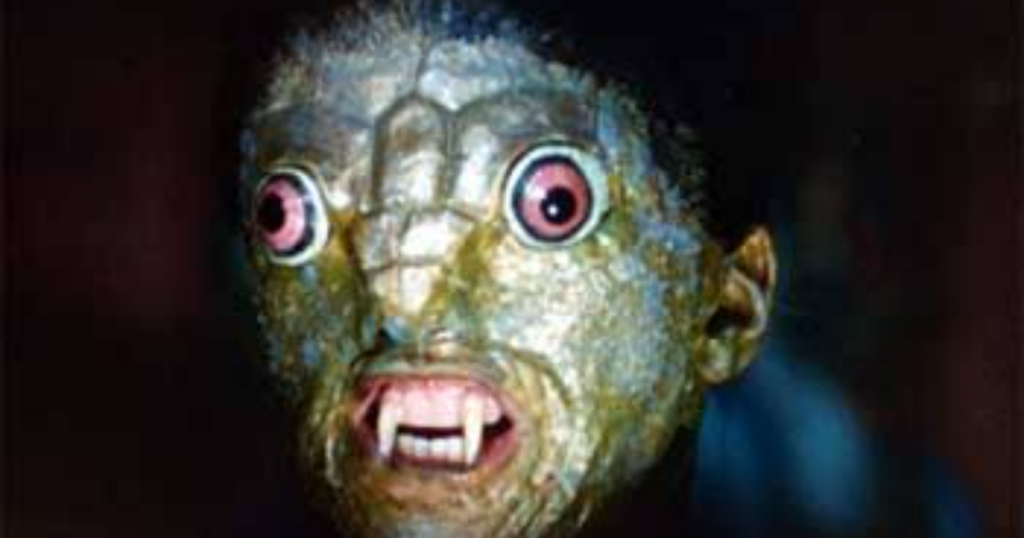
Released in the same period as The Plague of the Zombies, The Reptile is another strong example of Hammer’s ability to create vivid village-based Gothic horror. It blends mystery, exoticized curse lore, and creature-feature tension in a very compact form.
It may not be the studio’s most famous title, but it is often recommended to newcomers because it delivers the Hammer mood so effectively.
Why start here: It is a good second-tier entry once you have sampled the major classics.
What Are The Best Hammer Horror Movies to Start With?
If you want a smooth introduction, this order works especially well:
- Horror of Dracula
- The Curse of Frankenstein
- The Mummy
- The Brides of Dracula
- Dracula: Prince of Darkness
- The Devil Rides Out
- The Plague of the Zombies
- The Reptile
This sequence starts with Hammer’s signature monster reinventions, then expands into vampire sequels, occult horror, and underrated standalone gems.
What Makes Hammer Horror Movies Stand Out?
New viewers often compare Hammer to the older Universal Monsters films, and the difference is useful to understand.
Universal horror usually emphasizes:
- black-and-white mood
- expressionist shadow
- tragic monsters
- slower, more theatrical pacing
Hammer horror usually emphasizes:
- vivid color
- more blood and sensuality
- faster pacing
- stronger physical threat
- more overt Gothic melodrama
That does not mean Hammer is better or worse – just different. Universal often feels mythic and mournful. Hammer feels hotter, sharper, and more alive.
The Actors Every Beginner Should Know
One of the joys of Hammer Horror is seeing familiar performers recur across different films.The following is an overview of some of the common actors and actresses who appear in Hammer Horror Movies.
Christopher Lee

Lee became one of horror’s most iconic faces through his role as Dracula, but his work with Hammer Studios extends beyond vampirism. He brought menace, elegance, and a unique physical intensity to the studio’s films.
Peter Cushing
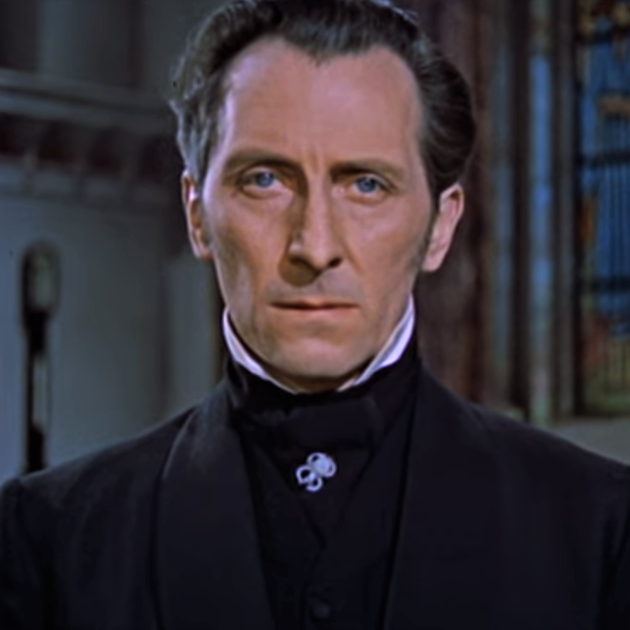
Cushing is undeniably the cornerstone of Hammer Horror. Whether portraying Van Helsing, Baron Frankenstein, or a relentless investigator, he brings intelligence and passion that elevate every film.
Ingrid Pitt
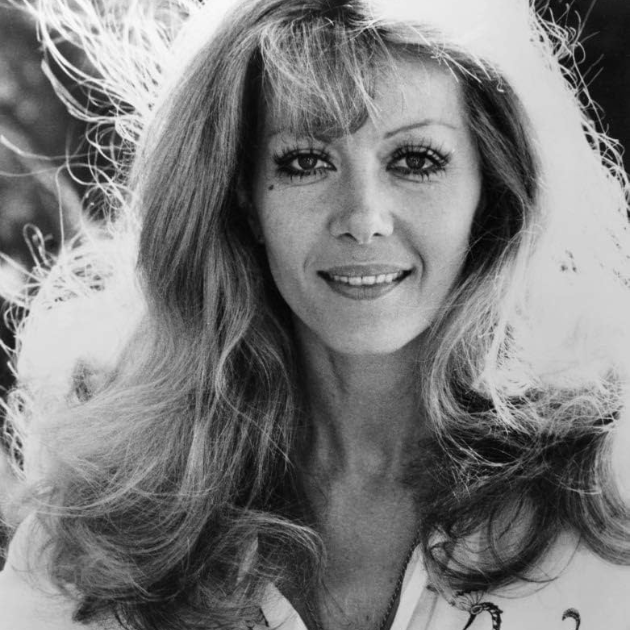
Although more closely linked to Hammer’s later period, Ingrid Pitt emerged as a key figure in the studio’s erotic Gothic horror phase, particularly in vampire-themed films.
Michael Gough
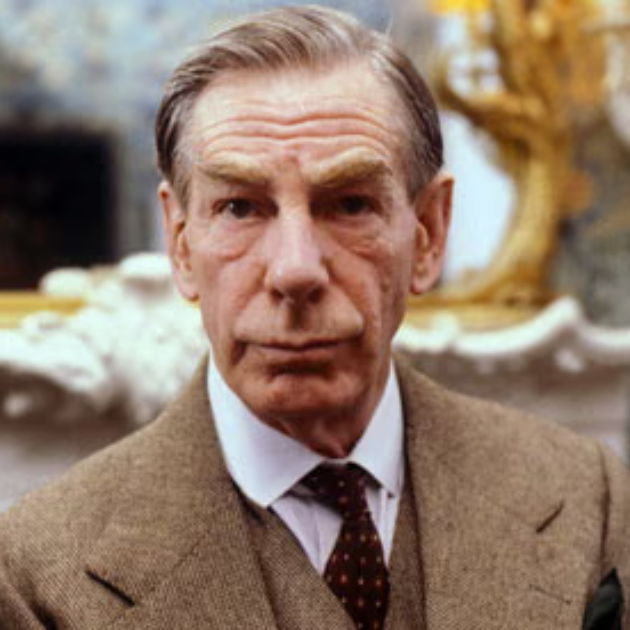
A superb character actor who appears in several horror classics, Gough adds nervous energy, instability, or sly menace wherever he turns up.
What Hammer Horror Movies Should I Watch Next?
Once you have seen the essentials, your next step depends on what you liked most.
If you loved the vampire films, move on to Taste the Blood of Dracula and Dracula Has Risen from the Grave.
If you preferred Frankenstein’s moral darkness, continue with The Revenge of Frankenstein and Frankenstein Must Be Destroyed.
If you liked occult and folk-horror elements, try The Devil’s Bride style films from neighboring studios as well as Hammer’s own stranger later work.
If you enjoyed the moodiest Gothic visuals, explore later color horror from Italy, especially directors like Mario Bava, whose work pairs well with Hammer’s aesthetic.
Why Hammer Horror Movies Still Matter
Hammer Horror is significant because it bridged the gap between classic studio horror and the more intense, psychologically driven horror that emerged later. Its films revitalized traditional monsters while preserving their legendary impact.
For beginners, Hammer also offers something practical: a body of work that is historically important and fun to watch. These films are not just stepping stones toward later horror. At their best, they remain stylish, emotionally vivid, and wonderfully atmospheric in their own right.
Final Thoughts
Hammer Horror is significant because it bridged the gap between classic studio horror and the more intense, psychologically driven horror that emerged later. Its films revitalized traditional monsters while preserving their legendary impact.
Hammer Horror is one of the easiest doors into classic horror because it offers the pleasures of older cinema without feeling remote. Once it clicks, it opens up an entire world of Gothic castles, doomed ambition, satanic cults, cursed villages, and unforgettable faces in candlelit rooms.