Lair of the White Worm Review: Ken Russell’s Strange and Stylish Cult Horror Film
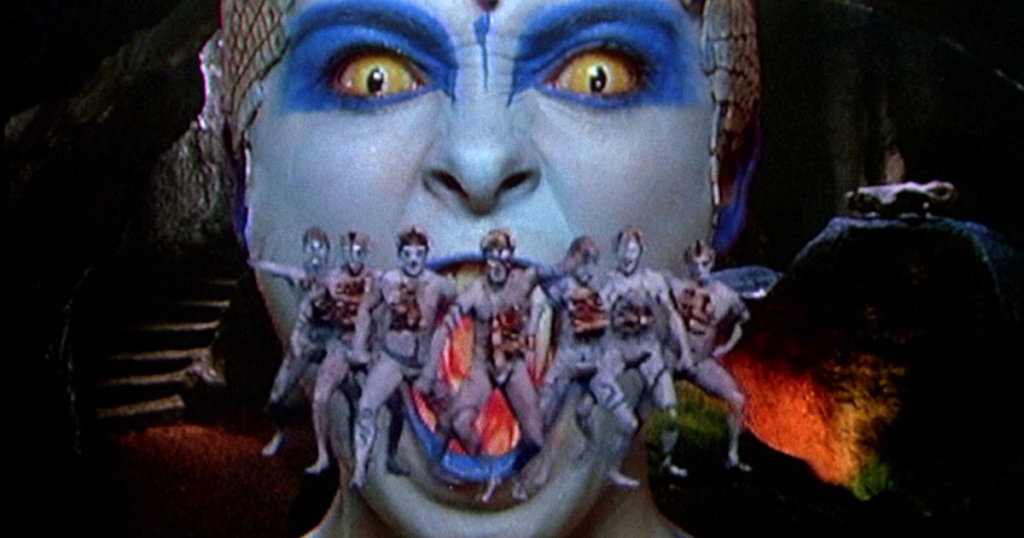
Lair of the White Worm is not a horror movie that tries to play it safe. Directed by Ken Russell, this 1988 film is wild, eccentric, funny, unsettling, and proudly excessive. For horror fans who enjoy cinema that pushes into surreal and camp territory, it remains one of the most distinctive entries in British cult horror.
Adapted loosely from a novel by Bram Stoker, Lair of the White Worm takes myth, sexuality, folklore, and monster-movie energy and throws them together in a way that only Ken Russell really could. The result is a film that has divided audiences for decades while steadily growing in reputation as a cult classic.
What Is Lair of the White Worm About?
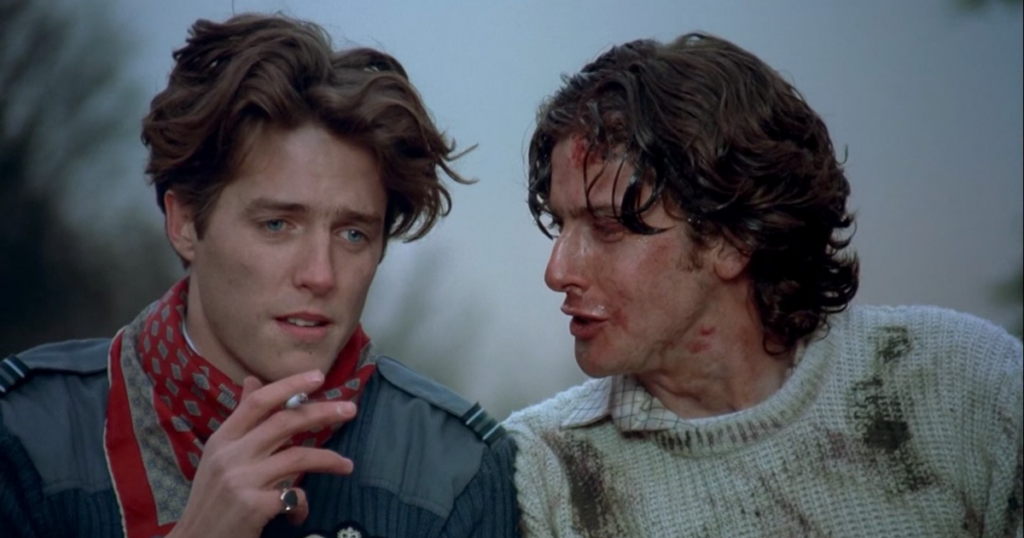
The story begins with Angus Flint, a young archaeologist who discovers a strange skull during an excavation in the English countryside. That find appears to connect to an old local legend involving the D’Ampton Worm, a giant serpent-like creature said to have terrorized the region centuries ago.
As Angus investigates, he becomes involved with James D’Ampton and his sisters, who have their own connection to the legend. Their path soon crosses with Lady Sylvia Marsh, a seductive and dangerous aristocrat whose behavior suggests she may be linked to something ancient and monstrous.
From there, the film becomes a bizarre mix of folk horror, dark comedy, gothic imagery, and creature-feature chaos. It is less interested in realism than in atmosphere, symbolism, and shock.
Why Lair of the White Worm Still Stands Out
What separates the Lair of the White Worm movie from more conventional horror films is its total commitment to being strange. Rather than following a familiar haunted-house or slasher formula, it leans into theatrical visuals, exaggerated performances, and a deliberately unbalanced tone.
Several things make the film memorable:
- Ken Russell’s direction gives the movie a surreal visual style that feels dreamlike and provocative.
- The tone is intentionally camp, moving between horror, satire, and absurd humor.
- The mythology adds depth, drawing on ancient evil, folklore, and pagan symbolism.
- The performances are fearless, especially Amanda Donohoe’s unforgettable turn as Lady Sylvia.
- The film never feels generic, which is a major reason it continues to attract cult audiences.
For some viewers, this makes the film thrilling. For others, it makes it baffling. Either way, it is hard to ignore.
Cast of Lair of the White Worm
One reason interest in the film has lasted is its cast, particularly because several actors later became much more famous.
Amanda Donohoe as Lady Sylvia Marsh
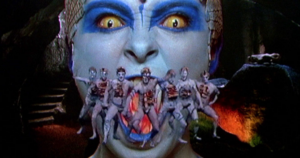
Amanda Donohoe delivers the film’s standout performance. She plays Lady Sylvia with confidence, menace, and a sense of playful danger that perfectly fits the movie’s tone. Her presence gives the film much of its identity.
Hugh Grant as James D’Ampton
Before becoming known worldwide for romantic comedies, Hugh Grant appeared here in a much stranger role. His performance adds charm and steadiness to a movie that often veers into chaos.
Peter Capaldi as Angus Flint
Peter Capaldi plays the curious archaeologist at the center of the mystery. He helps ground the story even as the movie becomes increasingly surreal.
Themes in Lair of the White Worm
Although it often gets discussed as a camp horror oddity, the film has clear thematic interests that help explain its lasting appeal.
Ancient Evil Beneath Modern Life
A major idea in the film is that the past is never truly gone. The legend of the White Worm represents something buried but still active, waiting to return.
Sexuality, Seduction, and Control
Like much of Ken Russell’s work, the film uses erotic imagery not just for shock, but as part of its power dynamics. Desire, temptation, and domination run throughout the story.
Pagan Myth and Religious Symbolism
The movie also draws tension from the clash between older mythic forces and Christian imagery. This gives Lair of the White Worm a gothic, almost ritualistic atmosphere.
Is Lair of the White Worm Scary?
For modern audiences, Lair of the White Worm is probably more weird than terrifying. It does include horror imagery and moments of tension, but its strongest effect comes from its atmosphere and unpredictability.
Anyone looking for a straightforward scary movie may find it too campy or too strange. Viewers who enjoy unsettling visuals, cult cinema, and horror with a sense of theatrical excess are much more likely to appreciate it.
Why It Became a Cult Classic
The phrase cult classic gets used often, but it genuinely applies here. Lair of the White Worm has endured because it offers something so specific and so unapologetically unusual.
Its cult reputation rests on several strengths:
- A unique tone that blends horror and comedy without trying to smooth out the contrast.
- Memorable visual style that feels unlike mainstream genre filmmaking.
- A literary connection through its loose Bram Stoker source material.
- Early performances by major actors that now add historical interest.
- A bold, divisive approach that inspires strong reactions rather than passive viewing.
Cult films survive because people keep discovering them and saying, “I’ve never seen anything quite like this before.” That is exactly the kind of reaction this film produces.
Final Thoughts
Lair of the White Worm is messy, daring, funny, erotic, and undeniably distinctive. It may not work for everyone, but it absolutely delivers a viewing experience that is hard to forget. For fans of British horror films, 1980s cult cinema, and Ken Russell movies, it remains a fascinating watch.
If you are looking for a polished mainstream horror story, this may not be the right fit. If you want something bizarre, stylish, and deeply committed to its own strange vision, Lair of the White Worm is well worth your time.