Best Vintage Horror Movies for Beginners: 15 Essential Classics
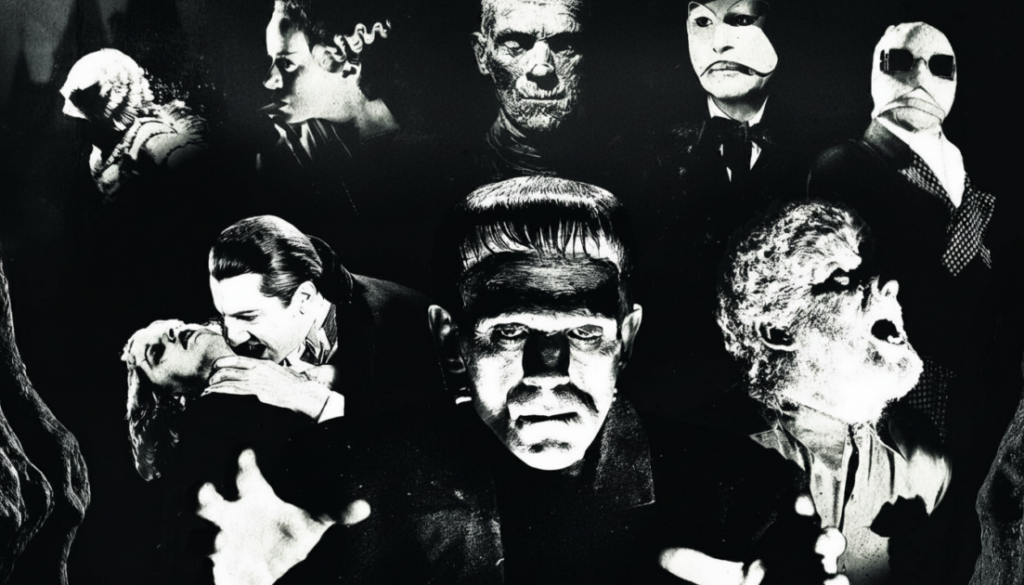
Finding the best vintage horror movies for beginners can feel intimidating at first. The genre stretches across silent nightmares, Gothic castles, atomic-age paranoia, and moody black-and-white chillers that shaped everything from Halloween to The Conjuring. But getting into older horror does not mean doing homework. The best entry point is to start with films that are still effective, visually memorable, and easy to appreciate without already being a genre historian.
This list focuses on 15 of the best vintage horror movies for beginners that introduce the major styles, monsters, and moods of classic horror while still being entertaining on their own. Some are eerie, some are tragic, and some are surprisingly fun. Together, they offer a strong foundation for anyone who wants to explore horror before the modern era.
What Counts as a Vintage Horror Movie?
For the purpose of this list, “vintage horror” means horror films from the silent era through the 1960’s, with a few titles that became the building blocks of modern horror storytelling. These are the movies that established the language of the genre: shadowy cinematography, doomed protagonists, haunted spaces, unreliable reality, and monsters that often reflect deeper fears about death, science, religion, and society.
If you are new to classic horror and searching for the best vintage horror movies for beginners, the biggest surprise is usually how varied these films are. Vintage horror is not just cobwebs and capes. It includes psychological breakdowns, body horror, ghost stories, monster tragedies, and quiet dread that lingers long after the credits.
How This Guide to the Best Vintage Horror Movies for Beginners was Created
This starter list favors accessibility without dumbing things down. Each pick:
- Is historically significant yet friendly to first-time readers.
- Showcases a distinct corner of classic horror.
- Still works as a story today, not just a relic.
- Opens clear paths into deeper subgenres afterward.
It’s not a roll call of the rarest or most academic titles—just a practical, confidence-building place to begin.
Nosferatu (1922)
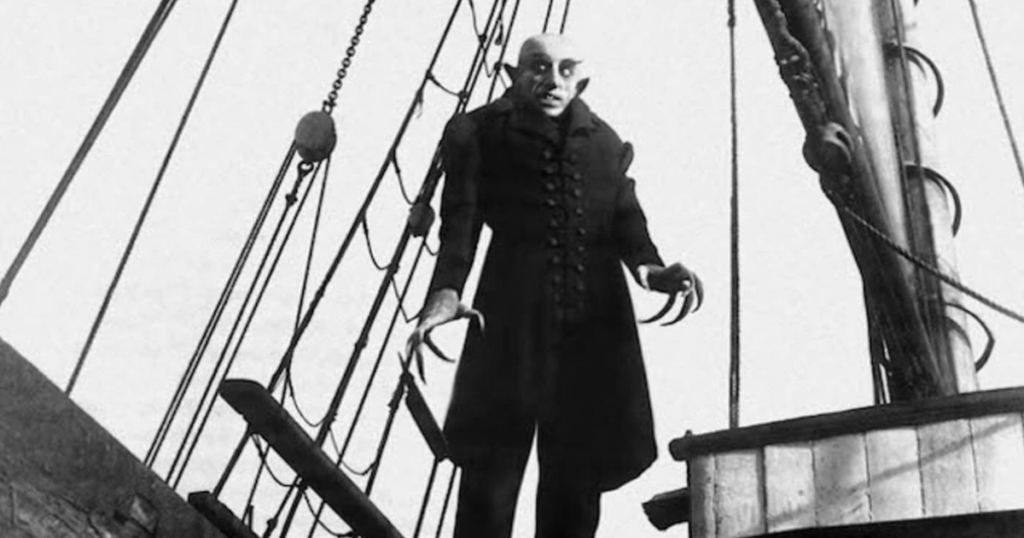
If you want to see where cinematic nightmare imagery begins, start here. Nosferatu is an unauthorized take on Dracula, but it remains one of the most haunting films ever made. Max Schreck’s Count Orlok is not seductive or elegant – he is a plague-ridden, rat-like figure who feels genuinely unnatural.
For beginners, this is a great first silent horror film because the imagery does so much of the work. The famous staircase shadow still lands. The dreamlike pacing and expressionist visuals make the movie feel eerie rather than merely old.
Why start here?: It teaches you how horror worked before sound and shows how much atmosphere alone can accomplish.
Dracula (1931)
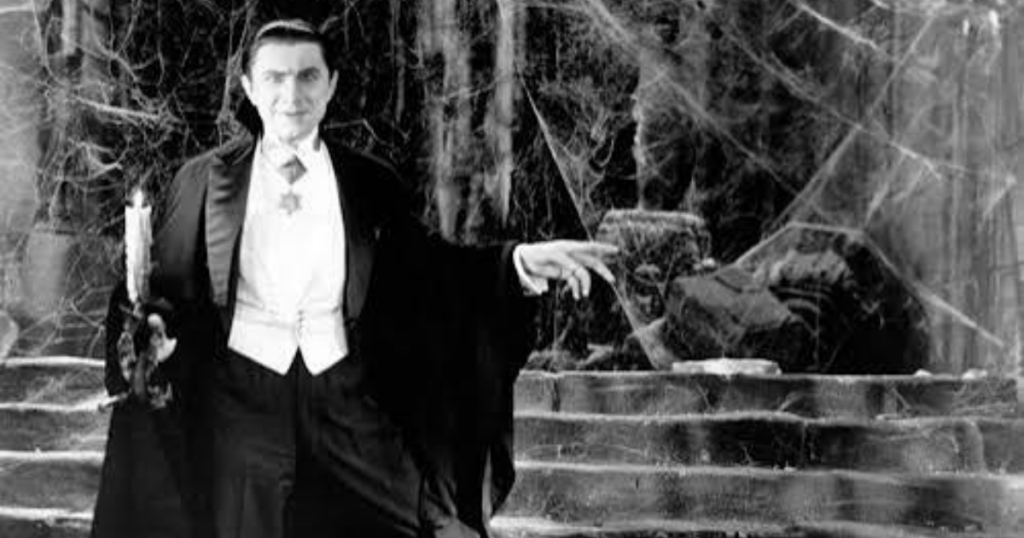
Tod Browning’s Dracula is one of the key foundations of American horror cinema, and Bela Lugosi’s performance defined the screen vampire for generations. The film moves slowly by modern standards, but Lugosi’s presence is hypnotic. His voice, posture, and stare became part of horror’s DNA.
Dracula is a strong beginner pick because it introduces the Universal Monsters era in one of its most iconic forms. It also helps you understand how horror shifted from the silent era into sound, dialogue, and theatrical performance and comes highly recommended for those searching for the best vintage horror movies fir beginners.
Why start here? It is essential for understanding classic vampire cinema and the appeal of old Hollywood horror.
Frankenstein (1931)
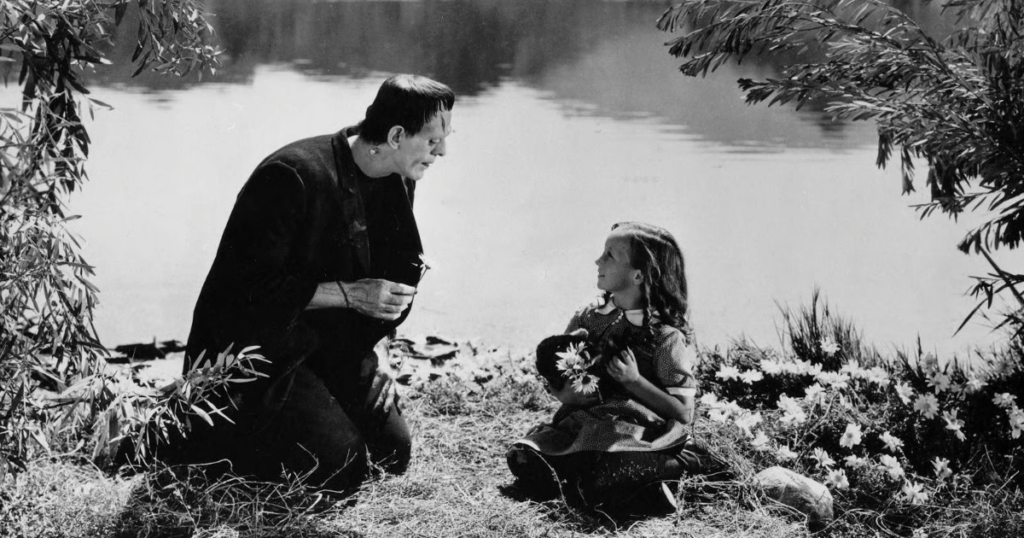
James Whale’s Frankenstein remains one of the easiest early horror classics to recommend because it is fast, emotional, and visually striking. Boris Karloff’s monster is frightening at first glance, but the film’s real power lies in how tragic he becomes.
Many beginners expect these early films to feel distant. Frankenstein usually proves otherwise. Its central fear – that human ambition can create suffering it cannot control – still feels modern.
Why start here? It is simple, powerful, and one of the clearest examples of horror mixed with sympathy.
Bride of Frankenstein (1935)
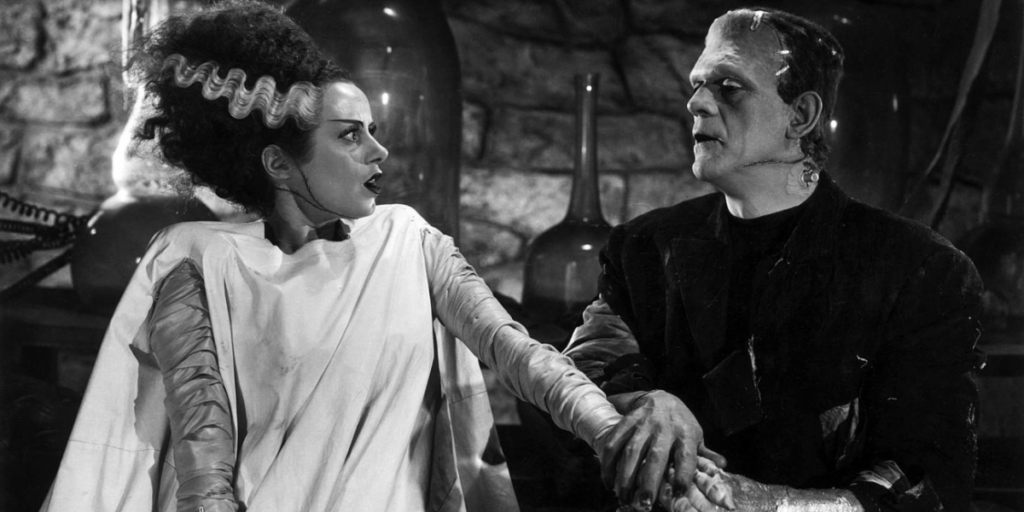
Once you have seen Frankenstein, the next step should be Bride of Frankenstein. It is funnier, stranger, sadder, and in many ways richer than the original. James Whale leans further into Gothic stylization and dark wit, while the monster becomes even more human.
Bride of Frankenstein is one of the first horror sequels that genuinely expands the themes of the original instead of repeating them. Even viewers who do not usually love older films tend to connect with its emotion and personality.
Why start here? It shows that classic horror could be imaginative, playful, and deeply moving at the same time.
The Mummy (1932)
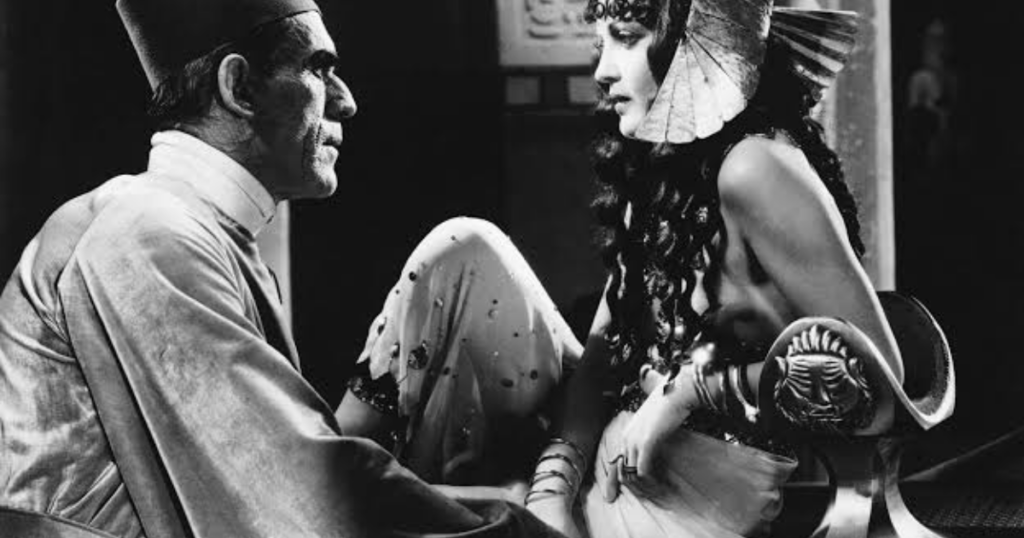
Unlike the more openly tragic Frankenstein films, The Mummy is steeped in mood, obsession, and old-world mysticism. Boris Karloff plays Imhotep with quiet intensity, and the film builds tension through atmosphere more than shocks.
For beginners, this is a good way to branch beyond vampires and mad science into more supernatural, curse-driven horror. It also has a romantic melancholy that separates it from many monster films of the same era.
Why start here? It is elegant, eerie, and a perfect example of slow-burn classic horror.
Cat People (1942)
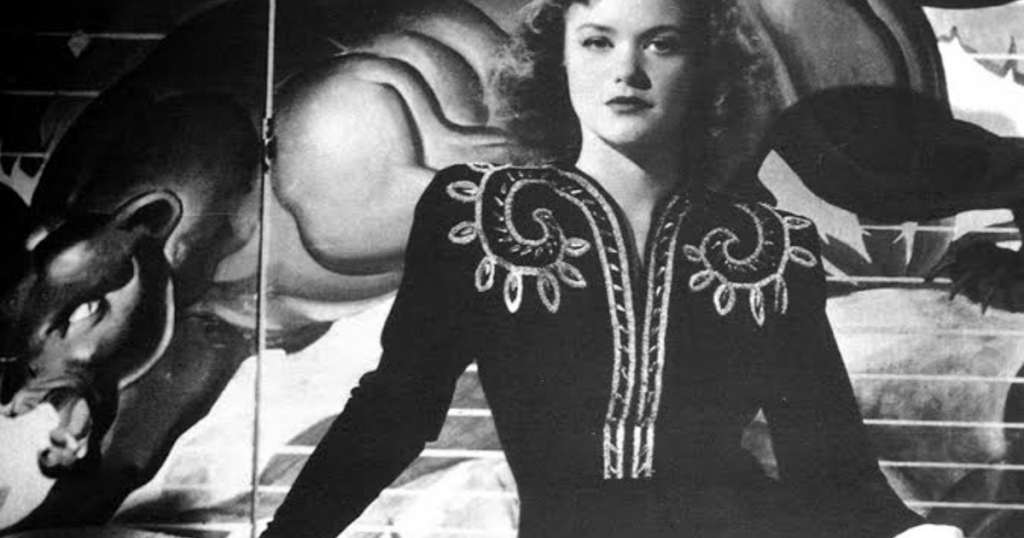
Jacques Tourneur’s Cat People is a masterclass in suggestion. Instead of constantly showing a monster, it lets fear grow in shadows, footsteps, and implication. The result is a film that feels remarkably modern in its restraint.
This is often an excellent choice for beginners who are unsure whether they will connect with older horror. The psychological tension, urban setting, and famous pool sequence make it accessible even for viewers used to newer filmmaking styles.
Why start here? It proves that what you do not see can be scarier than what you do.
I Walked with a Zombie (1943)
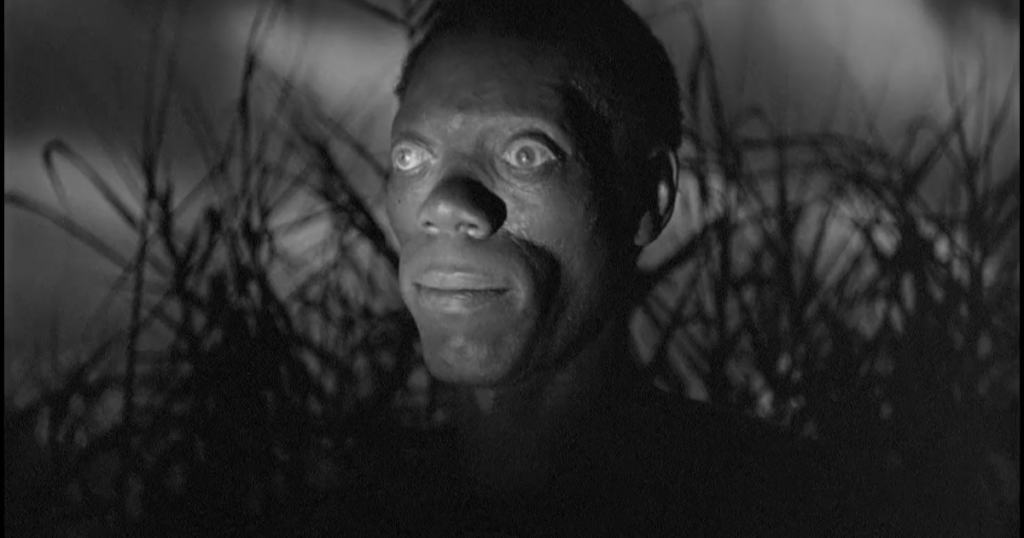
Also directed by Jacques Tourneur, I Walked with a Zombie is one of the most atmospheric horror films of the 1940s. It blends Gothic mood with Caribbean setting, colonial unease, and dreamlike dread. The title sounds pulpy, but the film itself is subtle and poetic.
For newcomers, this is a good reminder that classic horror was not limited to castles and laboratories. It could also be lyrical, uncanny, and emotionally ambiguous.
Why start here? I Walked With a Zombie expands your sense of what vintage horror can be.
The Wolf Man (1941)
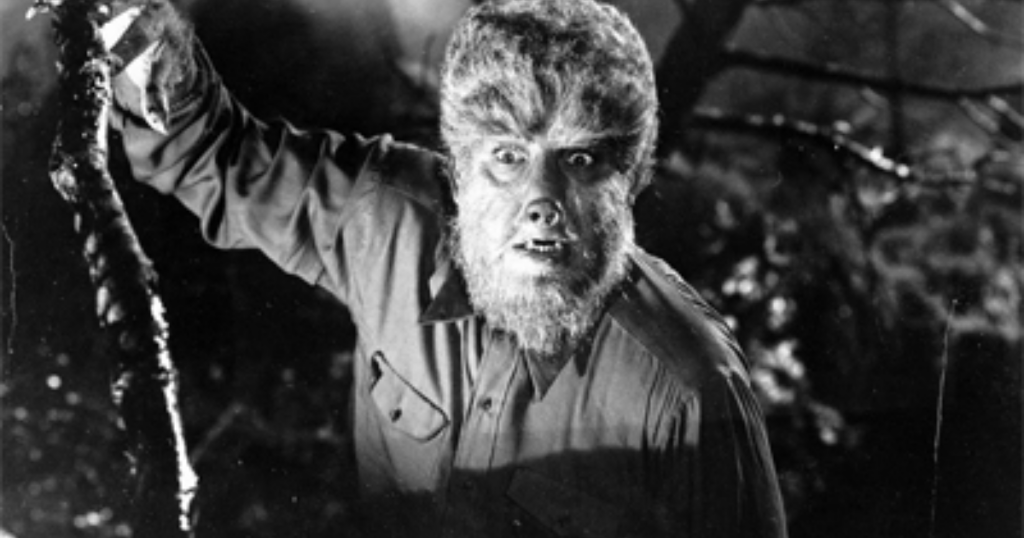
Lon Chaney Jr.’s Larry Talbot brings a note of sadness to The Wolf Man that makes the film memorable beyond its monster effects. This is not just a werewolf movie – it is a story about fate, fear, and becoming trapped inside your own curse.
The film is accessible because it balances folklore, transformation horror, and human drama without becoming too complex. It also laid the groundwork for countless later werewolf stories.
Why start here? This classic horror movie is one of the best gateways into tragic monster horror.
The Body Snatcher (1945)
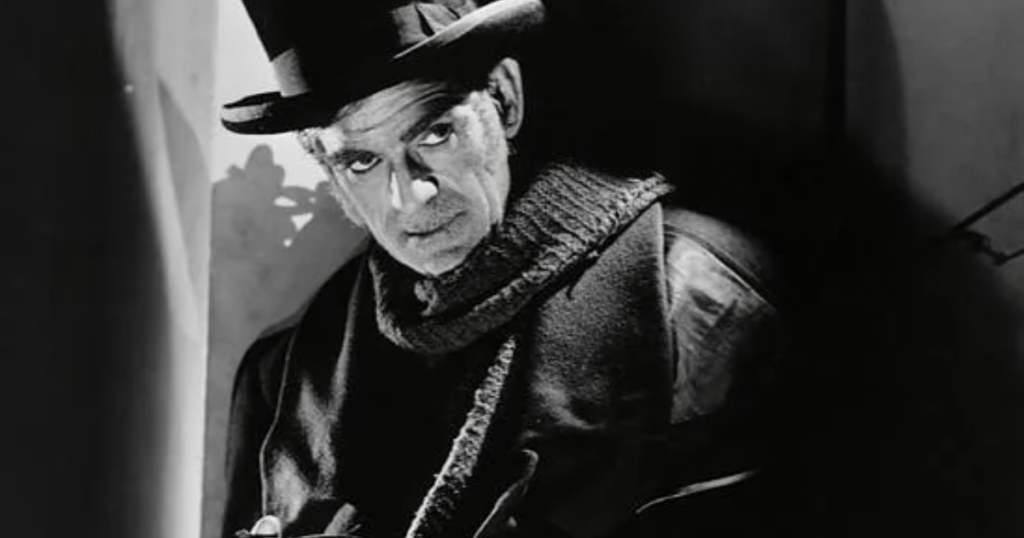
Produced by Val Lewton and starring Boris Karloff and Bela Lugosi, The Body Snatcher is less famous than the Universal classics but often more effective for first-time viewers than expected. It is tense, morally grim, and built around the fear of exploitation, death, and scientific cruelty.
Beginners who enjoy the darker emotional edge of Frankenstein will often respond well to this one. It shows a more adult, psychologically grounded side of 1940s horror.
Why start here? It is a smart bridge between old Gothic horror and more serious psychological dread.
House of Wax (1953)
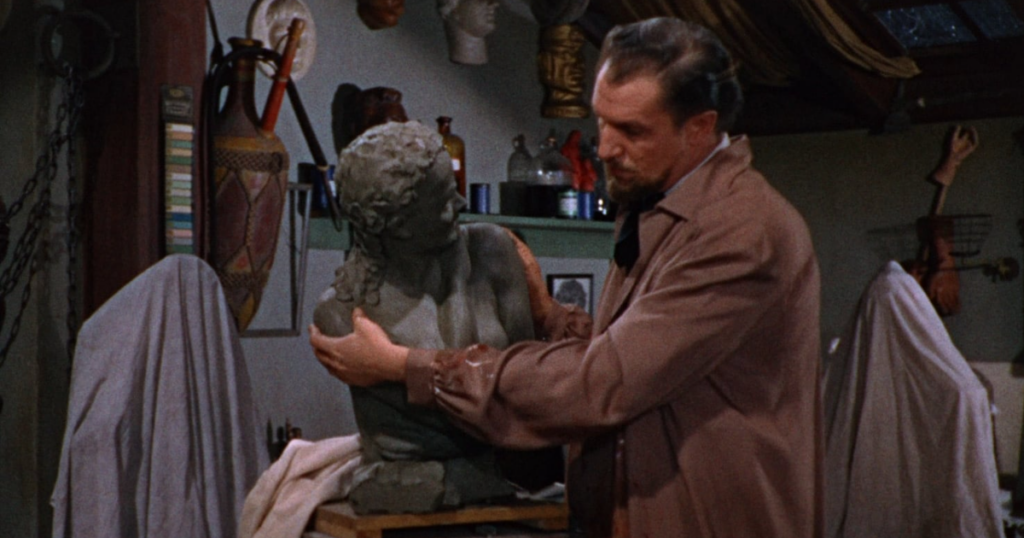
House of Wax is one of the most entertaining horror films of the 1950’s and a perfect example of Vincent Price at his most watchable. The setup is immediately appealing: a disfigured sculptor, a wax museum, and a string of suspicious deaths.
This is a strong beginner title because it feels brisk and fun. It does not demand much historical context, and Price’s performance makes it easy to see why he became such a beloved horror icon.
Why start here? House of Wax is stylish, approachable, and a great introduction to Vincent Price.
Invasion of the Body Snatchers (1956)
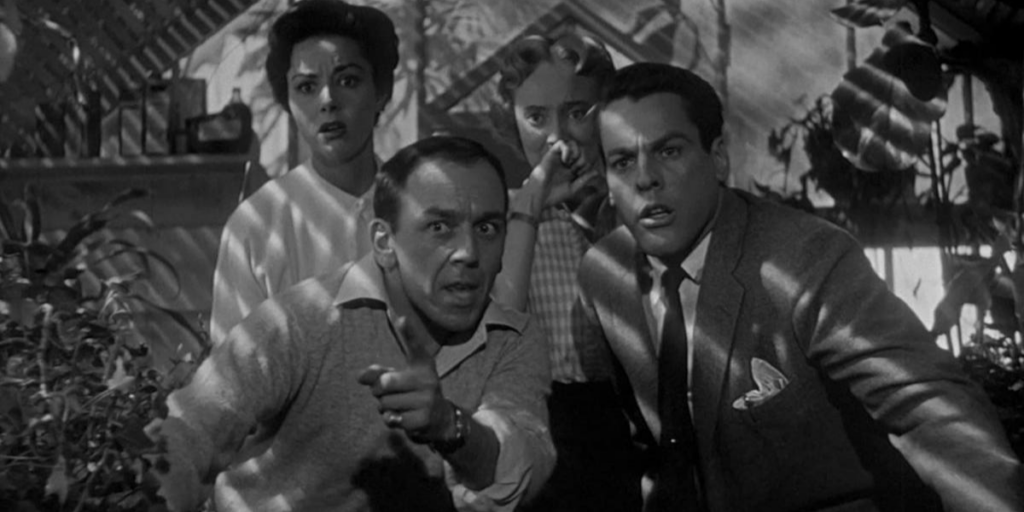
This is one of the best entry points for viewers who prefer paranoia and science fiction with their horror. Invasion of the Body Snatchers taps into fears of conformity, replacement, and social collapse, and it still feels uncomfortably relevant.
For beginners, it is especially useful because it shows how 1950s horror reflected Cold War anxieties while still working as a gripping story. The concept remains so strong that the film barely feels dated.
Why start here? Invasion of the Body Snatchers brings vintage horror closer to modern psychological and social fears.
The Curse of Frankenstein (1957)
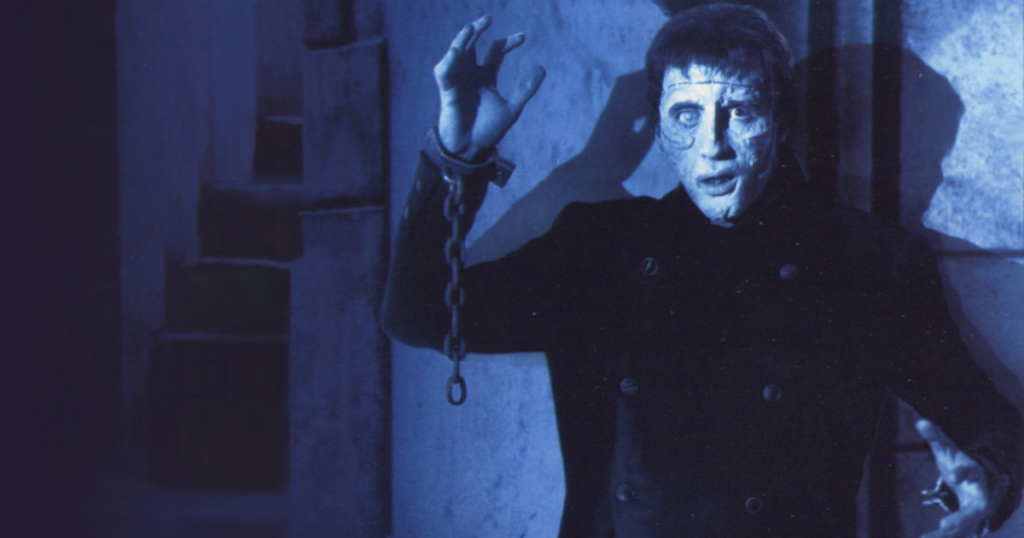
Hammer Film Productions changed horror by bringing brighter colour, stronger violence, and more overt sensuality to familiar monsters. The Curse of Frankenstein is one of the best first Hammer films because it clearly announces that shift. Peter Cushing’s Baron Frankenstein is not a dreamer – he is cold, arrogant, and dangerous.
This is a useful beginner pick because it helps explain the difference between Universal horror and Hammer horror. If the 1931 Frankenstein feels tragic and mournful, this version feels sharper and more brutal.
Why start here? The Curse of Frankenstein opens the door to British Gothic horror and a more vivid postwar style.
Horror of Dracula (1958)
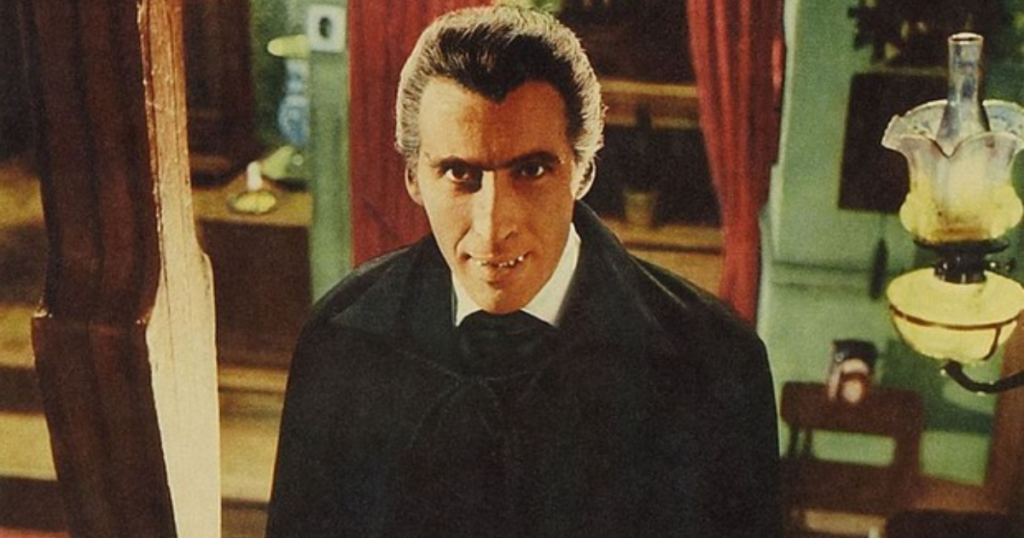
If you watch only one Hammer vampire film as a beginner, make it this one. Christopher Lee’s Dracula is more physical and openly menacing than Bela Lugosi’s version, while Peter Cushing’s Van Helsing brings energy and urgency to the hunt.
This is one of the easiest vintage horror films for modern viewers to enjoy because it moves quickly and looks lush. It is a perfect counterpart to the 1931 Dracula and a key film for understanding how the genre evolved in the 1950s.
Why start here? House of Dracula is dynamic, accessible, and one of the great Gothic horror films.
Psycho (1960)
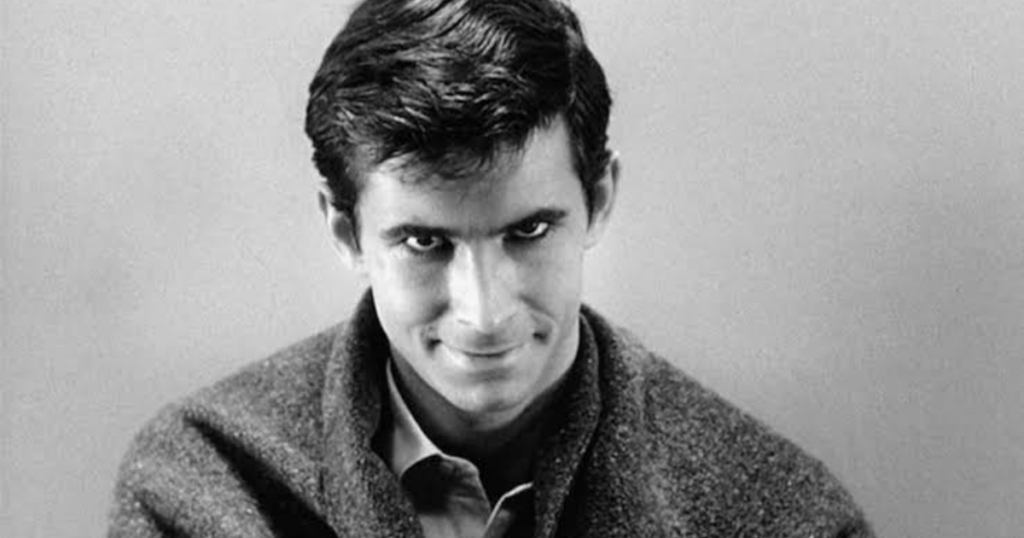
Alfred Hitchcock’s Psycho sits at the edge of classic horror and modern horror, which is exactly why beginners should watch it early. It strips away castles and monsters and replaces them with something more intimate: madness, voyeurism, and violence in ordinary spaces.
Even people who know the twist often find the film unsettling. Its editing, structure, and famous shower scene changed horror forever. It also serves as a bridge from Gothic and monster horror into the psychological terror that would dominate later decades.
Why start here? Psycho marks a major turning point in horror history and still hits hard.
The Haunting (1963)
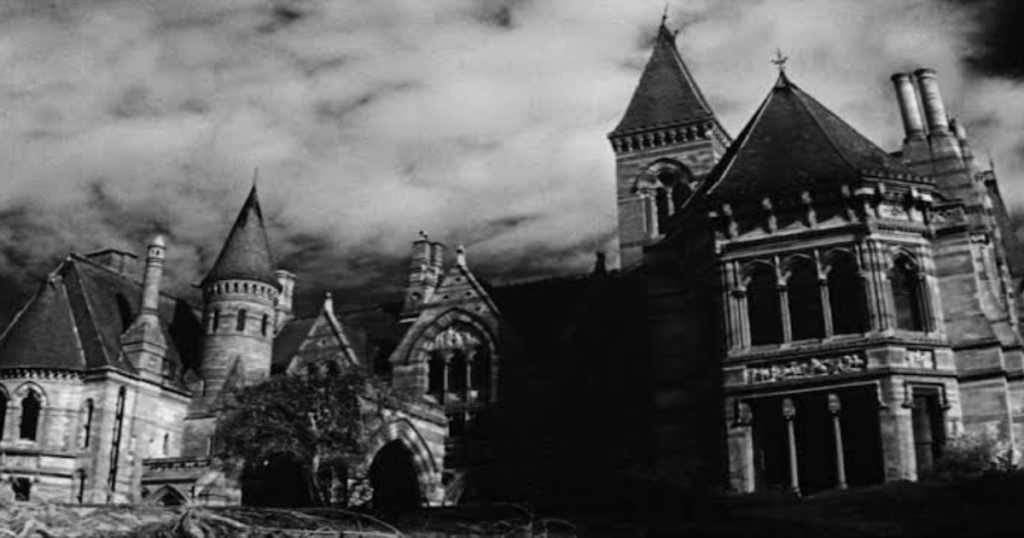
Robert Wise’s The Haunting is one of the finest haunted house films ever made, and it remains deeply unnerving without relying on obvious effects. The film creates terror through sound, framing, performance, and the unstable emotional state of its central character.
For beginners, this is an ideal later stop on the list because it rewards viewers who have already sampled some earlier styles. It feels refined, intelligent, and chilling in a way that many modern ghost stories still imitate.
Why start here? The Haunting is one of the clearest examples of psychological supernatural horror done perfectly.
The Best Watch Order for Beginners
If you want the smoothest path into vintage horror, watch these in roughly this order:
- Frankenstein
- Bride of Frankenstein
- Dracula
- The Wolf Man
- Cat People
- House of Wax
- Invasion of the Body Snatchers
- The Curse of Frankenstein
- Horror of Dracula
- Psycho
- The Haunting
- The Mummy
- The Body Snatcher
- I Walked with a Zombie
- Nosferatu
This order starts with accessible story-driven classics, then broadens into moodier and more historically distant films. Nosferatu is essential, but some complete beginners may appreciate it more after getting used to classic horror language first.
What You Will Learn From These 15 Vintage Horror Movies
By the time you finish these movies, you will have a strong grasp of the main traditions that shaped classic horror:
- Silent expressionist horror through Nosferatu
- Universal monster horror through Dracula, Frankenstein, and The Wolf Man
- Atmospheric psychological horror through Cat People and The Haunting
- Literary and Gothic horror through The Mummy and Hammer’s Dracula/Frankenstein cycle
- Science fiction paranoia through Invasion of the Body Snatchers
- Proto-modern horror through Psycho
That foundation makes it much easier to explore deeper cuts later.
More Vintage Horror Movies to Explore
Once you have seen these beginner-friendly essentials, the next step depends on what you liked most.
If you loved tragic monsters, move into more Universal horror like The Invisible Man and Creature from the Black Lagoon.
If you preferred atmosphere and suggestion, try Dead of Night, Kuroneko, or Black Sunday.
If Hammer horror clicked for you, continue with The Brides of Dracula, The Devil Rides Out, and The Horror of Frankenstein.
If you found yourself drawn to psychological unease, move from Psycho and The Haunting toward Peeping Tom and Repulsion.
Why These Vintage Horror Movies Still Matter
The best vintage horror movies still work because they understand something fundamental about fear: what unsettles us changes in style, but not in essence. Loneliness, obsession, death, transformation, violation, and the collapse of ordinary reality remain terrifying no matter when a film was made.
For beginners, that is the real joy of exploring classic horror. You are not just watching old movies out of obligation. You are discovering the roots of the genre – and many of those roots are still alive.
Final Thoughts
If you are new to the genre, start with the films that welcome you in rather than the ones that seem most historically impressive on paper. The best vintage horror movies for beginners are the ones that still feel vivid, emotional, and unsettling today.
A good first triple feature would be Frankenstein, Cat People, and Horror of Dracula. Together, they show how broad and rewarding classic horror can be: tragic, subtle, and gloriously Gothic.